
Living Paycheck to Paycheck: Why It Happens and How to Break the Cycle
Published by: SCB Financial Literacy Project
Introduction
Living paycheck to paycheck isn’t a character flaw — it’s a reality for millions of working people. You can be employed, responsible, and still one emergency away from crisis.
Understanding why this happens is the first step toward changing it.
Why This Matters
When all your income is already spoken for, stress becomes constant. Decisions get rushed. Long-term planning feels impossible. This cycle keeps people stuck — not because they’re careless, but because they’re overwhelmed.
A Real-Life Experience
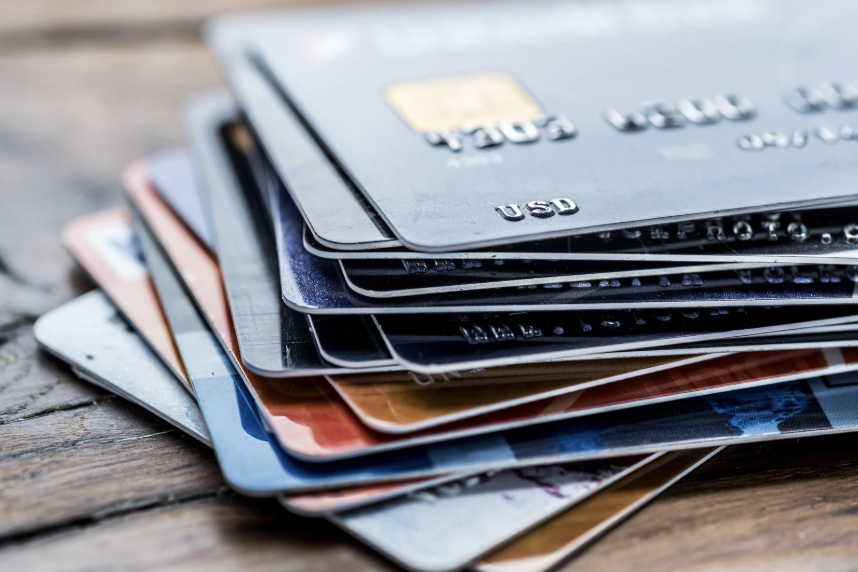
A worker budgets just enough to cover rent, utilities, gas, and food. There’s no margin. When school fees, medical bills, or car repairs appear, credit cards fill the gap. The next paycheck is already behind before it arrives.
The Core Financial Lesson
Paycheck-to-paycheck living is usually caused by:
- Fixed expenses consuming too much income
- Lack of emergency savings
- Reliance on high-interest credit
Key Takeaways
- Income alone doesn’t determine stability
- Margin matters more than amount
- One small buffer can change everything
Practical Steps You Can Take Today
- List fixed vs. flexible expenses
- Identify one expense you can reduce or renegotiate
- Aim for a starter emergency fund of $500–$1,000
Reflection Questions
- What expense causes me the most stress?
- Where do emergencies usually hit me?
- What would even a small buffer change?
SCB Closing
Breaking the cycle isn’t instant — but it is possible. Stability starts with breathing room.